


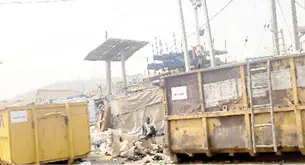
Abuja, Nigeria’s carefully planned capital city, is grappling with a growing refuse crisis as heaps of uncollected waste continue to dominate streets, markets, and residential areas. Despite repeated promises by authorities, poor waste management practices persist, raising concerns about public health, environmental safety, and the overall livability of the city.
Across major districts such as Garki, Wuse, Kubwa, Nyanya, and parts of the Abuja Municipal Area Council (AMAC), refuse dumps have become a common sight.
Overflowing bins, blocked drainages, and makeshift dumpsites line major roads, emitting foul odours and attracting rodents and insects. Residents say the situation has worsened in recent months, especially in densely populated communities.
Many Abuja residents blame the crisis on irregular waste collection, weak enforcement of sanitation laws, and poor coordination between government agencies and private waste contractors. According to residents, refuse is often left unattended for days or even weeks, forcing some households to dump waste indiscriminately in open spaces and drainage channels.
“Ideally, Abuja should not look like this,” said a resident of Kubwa. “Waste trucks come once in a long while, and when they do, they don’t cover many streets. People are now dumping refuse anywhere because they have no alternative.”
Environmental experts warn that the worsening refuse situation poses serious health risks, especially as the rainy season approaches. Blocked drainages increase the risk of flooding, while decomposing waste creates breeding grounds for mosquitoes, flies, and disease-causing bacteria. Public health officials have also expressed concern over the possible spread of cholera, typhoid, and other sanitation-related illnesses if the situation persists.
Markets and informal settlements appear to be among the hardest hit. In some areas, traders operate beside towering piles of waste, exposing food items to contamination. Residents say complaints to local authorities often yield little or no response, deepening frustration and distrust in the system.
The Abuja Environmental Protection Board (AEPB) and area councils are primarily responsible for waste management in the Federal Capital Territory (FCT). However, observers argue that weak monitoring, insufficient funding, and poor accountability have limited the effectiveness of existing waste management frameworks.
Urban development analysts also point to rapid population growth as a key factor overwhelming Abuja’s waste infrastructure.
As more people migrate to the city in search of economic opportunities, waste generation has increased significantly, without a corresponding expansion in collection and recycling capacity.
Environmental advocates are calling for urgent reforms, including stricter enforcement of sanitation regulations, improved funding for waste agencies, and greater public education on responsible waste disposal.
They also stress the need for long-term solutions such as recycling programmes, waste-to-energy initiatives, and better partnerships with private sector operators.
For now, residents say immediate action is needed to restore Abuja’s image and prevent a full-blown public health emergency. Until waste collection becomes consistent and sustainable, the refuse crisis remains a visible symbol of deeper governance and environmental management challenges facing Nigeria’s capital.
