


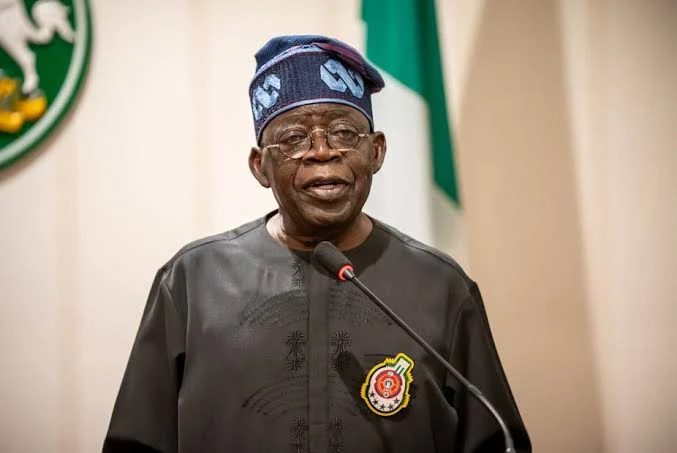
President Bola Tinubu has reaffirmed his administration’s commitment to Nigeria’s ongoing economic reforms, assuring the World Bank that there will be no reversal despite the initial hardship faced by citizens.
Tinubu gave the assurance on Tuesday while receiving a World Bank delegation led by the Managing Director of Operations, Anna Bjerde, at the State House in Abuja. He described the reform agenda as a necessary pathway to stabilising the economy and unlocking opportunities for Nigeria’s growing population.
According to the President, although the reforms were difficult at the onset, abandoning them would undermine long-term national development. He stressed that his government has chosen a firm path and remains focused on delivering sustainable economic growth.
Tinubu said Nigeria, as Africa’s largest economy, must take bold steps to reposition itself, particularly through reforms in agriculture, infrastructure, and fiscal management. He called on the World Bank to support efforts aimed at expanding mechanised farming, improving access to quality seedlings, and strengthening the availability of locally produced fertilisers.
The President explained that his administration’s reform choices included ending the fuel subsidy regime and unifying the foreign exchange market, decisions he acknowledged caused inflationary pressure in the short term. However, he maintained that the measures were essential to address longstanding structural distortions.
He noted that inflation has begun to ease and that the naira has shown increased stability, attributing the progress to consistent policy direction and improved transparency. Tinubu added that reforms would continue to prioritise accountability, reduced waste, and better use of public resources.
The President urged the World Bank to explore innovative financing models that would accelerate growth, reduce excessive intermediaries, manage investment risks, and build the skills of Nigerians, especially the youth population.
In her response, Bjerde commended Tinubu’s consistency and resolve in implementing reforms over the past two years, describing the outcomes as remarkable. She said Nigeria has become a reference point in global discussions with policymakers and investors due to the administration’s steady approach.
Bjerde noted that many countries often slow down or reverse reforms when challenges arise, but Nigeria’s leadership has remained firm, sending a strong signal to the international community. She added that the clarity of direction has boosted investor confidence.
She disclosed that the World Bank’s engagement with Nigeria is anchored on the country’s long-term development vision, including its ambition to grow the economy to $1 trillion and achieve a seven per cent growth rate.
Job creation, according to the World Bank official, remains central to the partnership, especially as Africa’s youthful population continues to expand. She highlighted that infrastructure development, agricultural modernisation, digital innovation, and access to finance for small and medium-sized enterprises are key areas of focus.
Bjerde revealed that the World Bank’s public sector portfolio in Nigeria currently stands at about $17 billion, making the country one of its largest clients. She added that private sector operations through the International Finance Corporation have grown significantly, while risk guarantees provided by the Multilateral Investment Guarantee Agency are expected to expand further.
She also disclosed plans for a new Development Policy Operation designed to support Nigeria’s budget and reform agenda, noting that the instrument aligns directly with the government’s policy direction.
The World Bank official praised Nigeria’s efforts in digital development and human capital investment, describing them as critical drivers of youth employment and long-term productivity. She said the institution remains committed to supporting reforms that promote inclusive growth and poverty reduction.
Tinubu, in closing, reiterated that his administration would continue to engage international partners while maintaining ownership of its reform agenda, stressing that Nigeria’s future prosperity depends on discipline, courage, and consistency.
