


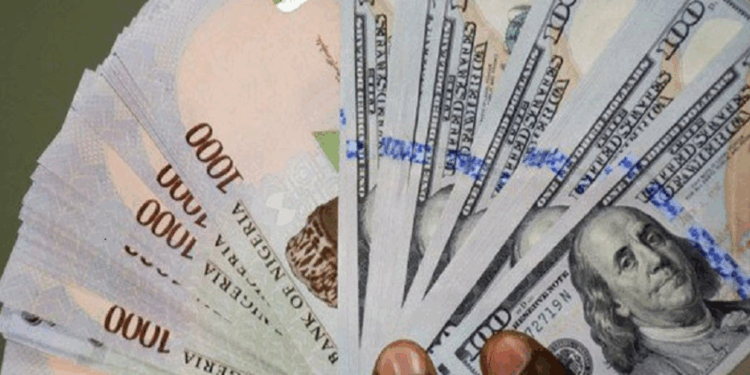
The Nigerian naira faces renewed pressure following the nomination of Kevin Warsh as the next Chair of the U.S. Federal Reserve by President Donald Trump. Warsh, expected to succeed Jerome Powell in May 2026, is widely regarded as an inflation hawk, prioritizing controlling inflation over aggressive rate cuts.
Financial analysts note that Warsh’s hawkish stance could strengthen the U.S. dollar, exerting downward pressure on frontier market currencies, including the naira. A stronger dollar often increases global borrowing costs, affects Nigeria’s foreign exchange reserves, raises import expenses, and widens the gap between official and parallel market rates.
The American dollar has already seen its largest rally since May 2025, following the nomination announcement. U.S. Treasuries with long maturities underperformed, reflecting investors’ expectations of sustained higher rates. Warsh, formerly a Morgan Stanley vice president and a senior economic advisor under President George W. Bush, is viewed as capable of preserving the Fed’s independence while maintaining a disciplined approach to monetary policy.
Current Naira Performance
Despite the looming external pressures, the naira ended January 2026 on a strong note. On the official foreign exchange market, the naira closed at ₦1,391 per dollar, supported by improved liquidity and a rise in Nigeria’s foreign reserves to $46.18 billion. The parallel market also showed reduced volatility, with rates improving from ₦1,490/$ to ₦1,453/$ over the week.
Experts caution that while the naira’s recent gains offer temporary relief, its value remains vulnerable to stronger dollar dynamics, U.S. monetary policy, crude oil production fluctuations, fiscal reforms, and structural imbalances within the Nigerian economy.
