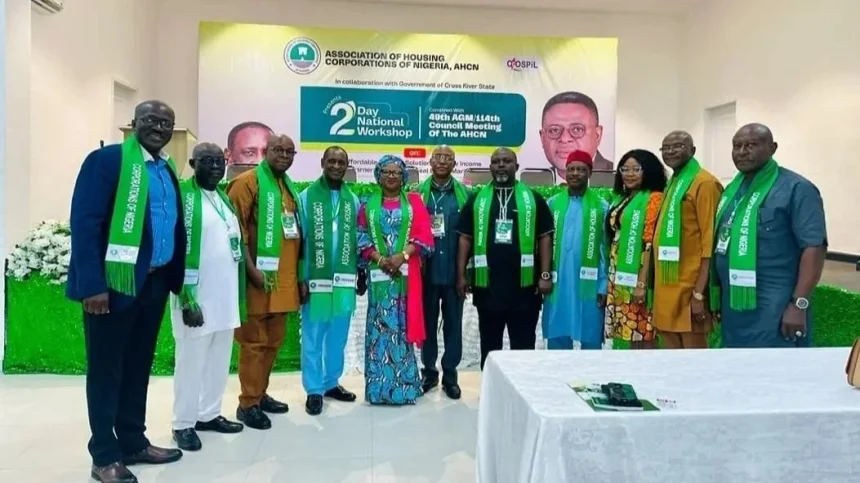
The Cross River State Government redirects its metropolitan development strategy by shifting public focus away from constructing isolated housing estates toward establishing sustainable, institutional systems. Administrative leaders state that previous intervention models often failed to deliver long-term value due to poor structural continuity and a lack of integrated public utility frameworks. By focusing on systemic policy reforms, the state government intends to create an enabling environment where private developers and regulatory bodies can collaborate effectively to resolve regional accommodation deficits.
State administrators argue that the traditional practice of building standalone residential estates rarely addresses the core challenges of urban sprawl and high development costs. The newly proposed strategy emphasizes robust zoning laws, modernized land administration processes, and substantial investments in foundational infrastructure like access roads, reliable water networks, and centralized power grids. Government officials believe that laying this comprehensive groundwork will naturally attract private capital, allowing commercial builders to deliver affordable housing options at a much faster pace.
Economic planners highlight that creating a structured, system-driven housing market helps eliminate bureaucratic bottlenecks that historically frustrated real estate investors in the region. The state’s updated approach introduces streamlined title registration, transparent property documentation, and clear regulatory guidelines to protect both developers and prospective homeowners. These structural adjustments aim to minimize transaction risks, lower overall construction overheads, and boost investor confidence across the local property market.
This policy shift aligns with a broader national effort to upgrade metropolitan planning standards and improve climate resilience in growing urban centers. By prioritizing scalable institutional frameworks over fragmented housing projects, the regional administration sets a sustainable path for long-term real estate growth. Authorities expect this modern development blueprint to not only bridge the current housing gap but also ensure that future residential layouts feature adequate public spaces, proper drainage systems, and necessary community amenities.