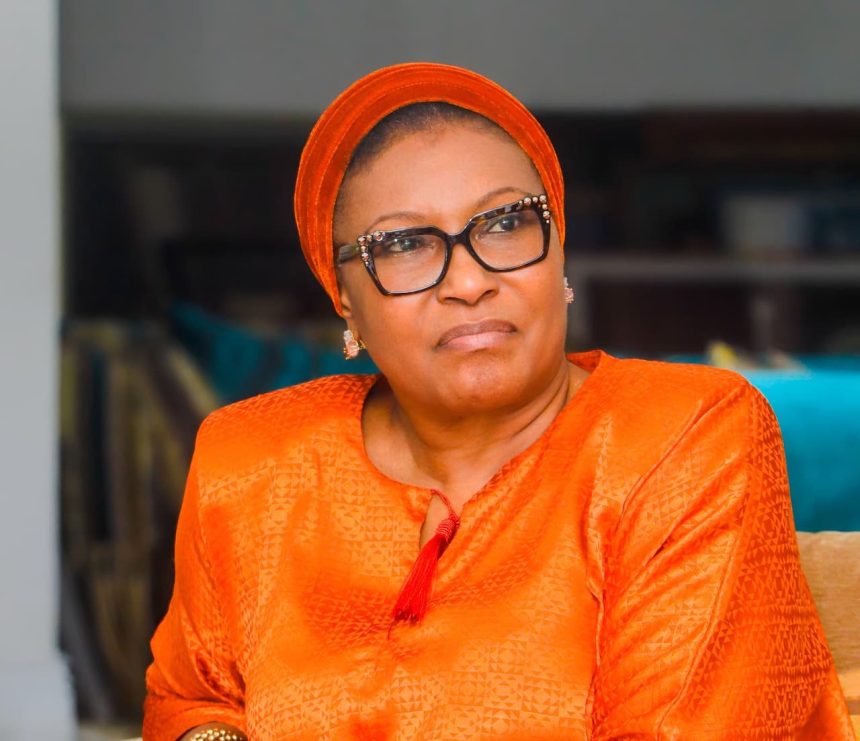
Senator Ireti Kingibe, who represents the Federal Capital Territory, has accused the administration of FCT Minister Nyesom Wike of worsening Abuja’s flooding problems through developments she says have encroached on green areas, flood channels and flood plains.
Kingibe made the allegations while discussing the recent flooding recorded across parts of Abuja, arguing that some planning and development decisions have reduced the city’s capacity to manage heavy rainfall.
According to the senator, Abuja’s flooding problem predates the current FCT administration, but she believes the situation has become significantly worse over the past three to four years.
She said she had previously raised concerns with relevant FCT agencies about development around green areas and waterways.
Green areas and waterways under scrutiny
Kingibe said construction on areas that previously provided routes for stormwater has restricted the movement of water during heavy rainfall.
She specifically pointed to developments around parts of Asokoro, Jabi and Wuse, arguing that some gullies, flood channels and green areas have been built on or restricted.
The senator said the city’s original planning framework was designed to preserve certain areas for environmental and drainage purposes and warned that continued development in such locations could increase flood risks.
She also cited concerns around sewage and drainage infrastructure, saying some facilities require urgent attention.
Flooding exposes Abuja’s infrastructure challenge
The recent flooding affected several parts of the capital, renewing concerns about the city’s drainage capacity and the pace of urban expansion.
The problem is not limited to rainfall itself. Drainage capacity, waste disposal, development patterns and enforcement of planning regulations all influence how effectively stormwater moves through an urban area.
Kingibe called for rubbish to be cleared from streets and drainage channels, noting that waste can quickly be carried into drains during heavy rainfall and worsen blockages.
She also called for a broader review of Abuja’s sewage and drainage infrastructure.
FCT Administration says flooding predates Wike
The FCT Administration has rejected attempts to attribute Abuja’s flooding solely to the current minister.
Wike’s spokesperson, Lere Olayinka, said Abuja experienced serious flooding before Wike assumed office, citing incidents recorded in areas including Wuse, Jabi and Lokogoma in previous years.
He argued that the latest flooding reflects the challenges created by the rapid expansion of the capital, including inadequate drainage infrastructure, waste management problems and pressure on existing systems.
The FCT Administration also said it is reviewing Abuja’s 1979 Master Plan to reflect the city’s current population and development realities.
Planning decisions face renewed scrutiny
The disagreement has brought Abuja’s land-use planning system back into focus.
Kingibe has argued that the authorities must explain how developments affecting green areas, flood channels and flood plains are being approved.
The FCT Administration, meanwhile, maintains that flooding is a longstanding challenge and says it is taking steps to improve drainage and address the city’s changing infrastructure needs.
The debate highlights a wider challenge facing Abuja: how to accommodate rapid urban growth without sacrificing the environmental corridors and infrastructure needed to manage extreme rainfall.
For residents, the immediate concern is reducing the risk of further flooding. For planners and authorities, the longer-term challenge is ensuring that new development does not create additional pressure on drainage systems.
As the debate continues, greater transparency around land approvals, master-plan compliance, drainage capacity and development in environmentally sensitive areas could help establish what is driving Abuja’s worsening flood risk.