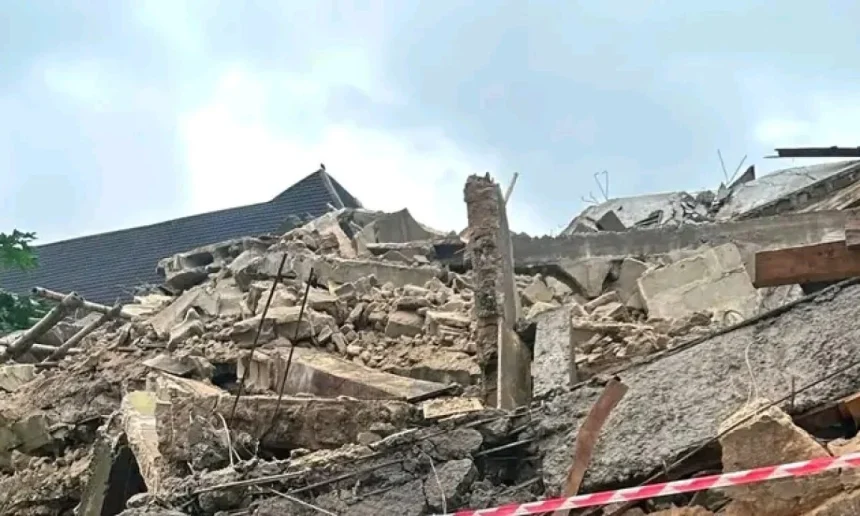
Building experts have attributed between 90 and 95 per cent of building collapses in Nigeria to unqualified practitioners operating outside professional standards.
The experts also identified quackery as a major contributor to the recurring collapse of buildings across the country.
A former Publicity Secretary of the Nigerian Institute of Building, Godfrey Chukwurah, linked the problem partly to poverty.
He said economic hardship had pushed unqualified people into the building industry without the required professional training or licences.
Chukwurah said such individuals often become involved in design, structural work and construction without adequate technical competence.
He warned that cutting corners and avoiding professional accountability could compromise the safety and durability of buildings.
Poor Construction Practices
Chukwurah also identified substandard construction materials as another concern.
He said professional bodies had raised concerns about the quality of materials, including reinforcement products used in construction.
He further linked many collapses occurring during wet construction to failures involving formwork.
Formwork provides temporary support for wet concrete and other construction activities before permanent structural elements become self-supporting.
Foundation Problems
Civil engineer Okey Emelibe identified poor foundation design and construction as another major cause of building failure.
He explained that different structures require different foundation systems based on factors such as building size and design.
These include strip, pad and raft foundations, with each having specific technical requirements.
Emelibe also identified inferior materials, inadequate engineering supervision and the use of unqualified workers as contributing factors.
Experts Seek Stronger Regulation
The experts called for stronger regulatory enforcement across Nigeria’s construction industry.
Emelibe urged governments to ensure that qualified professionals oversee construction projects and that builders use appropriate materials.
He also recommended reducing approval charges while strengthening professional oversight during the approval and construction processes.
The concerns come amid renewed attention to building safety following recent building collapses in Nigeria.
The issue has also increased pressure on authorities to enforce existing building regulations and hold developers accountable for violations.
What Happens Next
Stronger enforcement will require regulators to identify unqualified practitioners, monitor construction sites and ensure compliance with approved building plans.
Experts also want greater accountability from developers and property owners who engage unlicensed workers.
Without effective enforcement, poor construction practices could continue to expose residents and workers to avoidable risks.