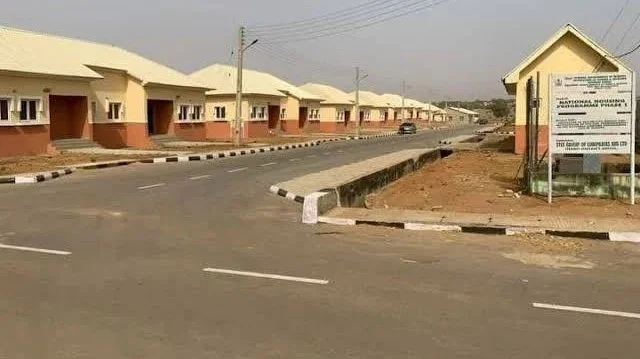
Kano Expands Housing Programme with Over 5,000 Units Under Development
The Kano State Government says more than 5,000 housing units are under development as part of a broader programme aimed at expanding access to homes and improving residential infrastructure across the state.
The housing initiatives form part of 22 major projects being implemented by the administration of Governor Abba Kabir Yusuf, with interventions extending to Kano’s 36 non-metropolitan local government areas.
Kano State has 44 local government areas, eight of which make up the metropolitan area. The 36 local governments referenced in the programme are the rural and non-metropolitan councils.
The administration said its housing agenda focuses on providing homes for low- and middle-income households, civil servants and vulnerable residents while reducing the concentration of major developments within Kano metropolis.
One component of the programme involves the proposed construction of 50 low-cost houses in each of the 36 rural local government areas, providing a projected 1,800 homes.
Other housing projects and estate-rehabilitation schemes bring the administration’s reported portfolio to more than 5,000 units across the state.
The government is also working on the rehabilitation and modernisation of existing residential developments, including Kwankwasiyya, Amana and Bandirawo mega cities.
The programme covers the Gida-Gida Mega City, a proposed 600-unit development, and a major mass-housing project at Rijiyar Gwangwan in Dawakin Kudu Local Government Area.
Kano’s public procurement and project-monitoring authorities previously valued the Rijiyar Gwangwan mass-housing project at approximately ₦113.19 billion. The government also listed a ₦22 billion Rural Model City Project covering the 36 rural local governments.
The state said roads, water and electricity would be provided alongside new housing developments to ensure that residents had access to essential infrastructure.
More than 100 kilometres of roads have reportedly been constructed or incorporated into newly developed layouts under the wider housing and infrastructure programme.
The government also plans to establish police stations, security plazas, surveillance systems and an emergency operations centre within selected residential communities.
According to figures released by the administration, the housing programme is expected to generate more than 10,000 direct and indirect jobs.
Employment opportunities are projected to cover engineers, builders, artisans, suppliers, transporters and other workers within the construction and housing value chain.
The housing portfolio also includes the construction of a 48-unit commissioners’ quarters at Yan Lemo/Na’ibawa and a new headquarters for the Kano State Housing Corporation at Kwankwasiyya City.
Other related projects include new High Courts, an office for the Chief Judge, an official residence for the Chief Judge at Government House and security facilities at major entrances to Kano metropolis.
The state government said the decision to distribute housing developments across rural local governments was intended to reduce pressure on the metropolitan area and stimulate economic activity in underserved communities.
Successful implementation will depend on timely funding, transparent procurement, infrastructure delivery and the affordability of the completed homes to their intended beneficiaries.
Clear information on unit prices, eligibility requirements, allocation procedures and completion schedules will also be important in determining how effectively the programme improves access to housing.