


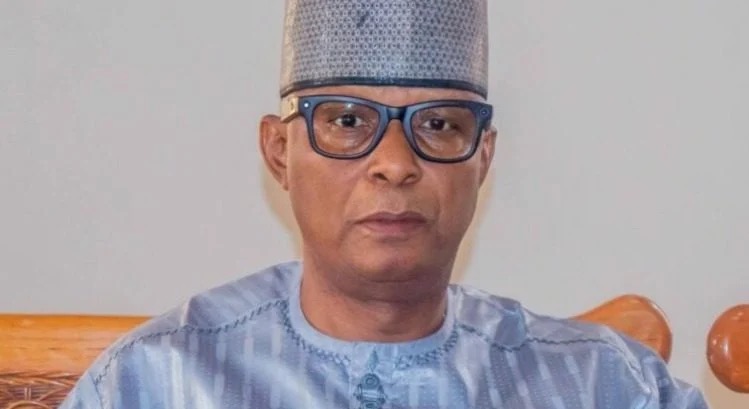
Housing Minister Muttaqha Darma says government is working to reduce rent pressure on workers and recover abandoned housing projects nationwide.
The Federal Government says it is working to reduce the proportion of workers’ income spent on rent, with Housing and Urban Development Minister Muttaqha Rabe Darma saying the government does not want Nigerian workers spending between 40 and 60 per cent of their earnings on accommodation.
Darma made the statement on Wednesday while commending the Nigerian Midstream and Downstream Petroleum Regulatory Authority (NMDPRA) for supporting affordable housing access for its workers.
According to the minister, high rental costs can place additional financial pressure on workers with families. He argued that when a large share of legitimate income goes towards rent, workers may face difficulties meeting other obligations such as education and family welfare.
He linked that pressure to the broader challenge of corruption, saying the government wants to reduce one of the financial pressures that could encourage people to seek additional sources of income.
“We are going to ensure that in this country, workers do not spend 40 to 60 per cent of their income on rent,” Darma said.
He said the government’s broader objective was to make decent and affordable housing more accessible, with the ultimate goal of ensuring that Nigerians without adequate housing can have homes.
FG Reviews Abandoned Housing Projects
Darma also disclosed that the Federal Government is conducting a nationwide assessment of abandoned housing projects as part of its strategy to increase housing supply.
The minister said some of the abandoned developments date back several years, including housing schemes initiated during the administration of former President Olusegun Obasanjo.
“There are so many housing projects, starting from the National Housing Programme and even long way back—even during General Obasanjo’s time—so many of them have been abandoned all over Nigeria, in all states,” he said.
The government is compiling information on the projects and visiting locations across the country to determine their condition and the steps required to bring them back into use.
Darma said the Federal Government is also engaging state governors over the possibility of taking over or acquiring some of the abandoned housing projects.
Under the proposed approach, viable estates could be renovated and converted into functional homes, including housing that could be allocated to civil servants.
The minister said the government had identified close to 250,000 abandoned housing units nationwide.
He expressed optimism that recovering the units would provide a faster way of increasing housing supply because the projects already represent investments made with public funds.
Government Wants States To Take Over Some Projects
According to Darma, discussions with state governments are intended to determine how abandoned projects can be recovered, completed and put to productive use.
The proposal would involve states taking over or buying selected abandoned developments, renovating them and making the completed properties available to workers.
The minister’s comments come as the Federal Government continues its broader review of abandoned housing assets.
On Wednesday, Darma also inspected the abandoned National Housing Programme estate at Kubwa-Karsana in the Federal Capital Territory. The ministry said the exercise is part of a nationwide assessment designed to determine the completion status of abandoned projects and identify the interventions required to make viable estates functional.
Darma said viable projects would be upgraded, completed and allocated transparently to Nigerians.
“We cannot continue to allow housing projects that were started with public funds to remain abandoned,” he said during the inspection.
The ministry said recovering existing projects would complement the construction of new housing developments and help maximise investments already made by government.
Housing Deficit Remains A Major Challenge
Darma put the number of Nigerians currently unhoused at about 110 million and said approximately 16 million housing units would be required to address the deficit.
The figures were presented by the minister as part of the government’s assessment of the scale of Nigeria’s housing challenge. Other recent housing assessments have produced different estimates of the national deficit, underscoring the importance of reliable housing data.
The Federal Mortgage Bank of Nigeria, for instance, has continued to support homeownership through schemes such as rent-to-own housing. In August 2026, FMBN delivered 129 completed three-bedroom bungalows to beneficiaries at the Nasarawa Technology Village in Karu, Nasarawa State.
The Federal Government has also announced plans under its National Social Housing Programme to construct 774,000 housing units across the country for low- and middle-income earners.
These initiatives form part of the government’s wider strategy to increase housing supply while improving access to mortgage and rent-to-own arrangements.
FG Seeks Housing Delivery Within Months
Darma said the Ministry of Housing and Urban Development had been engaging stakeholders across the housing sector and relevant regulators to facilitate the provision of additional housing units.
He said the government wants to move beyond policy discussions and deliver practical housing solutions.
The minister also indicated that recovering abandoned estates could help government achieve that objective more efficiently because some projects may require completion or rehabilitation rather than entirely new construction.
For workers facing high rental costs, the recovery of existing housing units could potentially create additional accommodation options if the properties are successfully completed and allocated.
Darma reiterated that the government would pursue the recovery strategy and work with state governments to bring abandoned housing assets back into use.
“We are going to do it,” he said.
The government’s approach therefore combines two tracks: increasing new housing supply and recovering abandoned projects that can still be made functional.
The success of the strategy will depend on the condition of the identified projects, funding for rehabilitation, agreements with state governments, infrastructure availability and transparent allocation of completed homes.
For now, the minister says the Federal Government is compiling the required data, inspecting abandoned estates and engaging relevant stakeholders as it works towards reducing Nigeria’s housing shortage and the financial burden of rent on workers.
Housing Minister Muttaqha Darma says government is working to reduce rent pressure on workers and recover abandoned housing projects nationwide.
The Federal Government says it is working to reduce the proportion of workers’ income spent on rent, with Housing and Urban Development Minister Muttaqha Rabe Darma saying the government does not want Nigerian workers spending between 40 and 60 per cent of their earnings on accommodation.
Darma made the statement on Wednesday while commending the Nigerian Midstream and Downstream Petroleum Regulatory Authority (NMDPRA) for supporting affordable housing access for its workers.
According to the minister, high rental costs can place additional financial pressure on workers with families. He argued that when a large share of legitimate income goes towards rent, workers may face difficulties meeting other obligations such as education and family welfare.
He linked that pressure to the broader challenge of corruption, saying the government wants to reduce one of the financial pressures that could encourage people to seek additional sources of income.
“We are going to ensure that in this country, workers do not spend 40 to 60 per cent of their income on rent,” Darma said.
He said the government’s broader objective was to make decent and affordable housing more accessible, with the ultimate goal of ensuring that Nigerians without adequate housing can have homes.
FG Reviews Abandoned Housing Projects
Darma also disclosed that the Federal Government is conducting a nationwide assessment of abandoned housing projects as part of its strategy to increase housing supply.
The minister said some of the abandoned developments date back several years, including housing schemes initiated during the administration of former President Olusegun Obasanjo.
“There are so many housing projects, starting from the National Housing Programme and even long way back—even during General Obasanjo’s time—so many of them have been abandoned all over Nigeria, in all states,” he said.
The government is compiling information on the projects and visiting locations across the country to determine their condition and the steps required to bring them back into use.
Darma said the Federal Government is also engaging state governors over the possibility of taking over or acquiring some of the abandoned housing projects.
Under the proposed approach, viable estates could be renovated and converted into functional homes, including housing that could be allocated to civil servants.
The minister said the government had identified close to 250,000 abandoned housing units nationwide.
He expressed optimism that recovering the units would provide a faster way of increasing housing supply because the projects already represent investments made with public funds.
Government Wants States To Take Over Some Projects
According to Darma, discussions with state governments are intended to determine how abandoned projects can be recovered, completed and put to productive use.
The proposal would involve states taking over or buying selected abandoned developments, renovating them and making the completed properties available to workers.
The minister’s comments come as the Federal Government continues its broader review of abandoned housing assets.
On Wednesday, Darma also inspected the abandoned National Housing Programme estate at Kubwa-Karsana in the Federal Capital Territory. The ministry said the exercise is part of a nationwide assessment designed to determine the completion status of abandoned projects and identify the interventions required to make viable estates functional.
Darma said viable projects would be upgraded, completed and allocated transparently to Nigerians.
“We cannot continue to allow housing projects that were started with public funds to remain abandoned,” he said during the inspection.
The ministry said recovering existing projects would complement the construction of new housing developments and help maximise investments already made by government.
Housing Deficit Remains A Major Challenge
Darma put the number of Nigerians currently unhoused at about 110 million and said approximately 16 million housing units would be required to address the deficit.
The figures were presented by the minister as part of the government’s assessment of the scale of Nigeria’s housing challenge. Other recent housing assessments have produced different estimates of the national deficit, underscoring the importance of reliable housing data.
The Federal Mortgage Bank of Nigeria, for instance, has continued to support homeownership through schemes such as rent-to-own housing. In August 2026, FMBN delivered 129 completed three-bedroom bungalows to beneficiaries at the Nasarawa Technology Village in Karu, Nasarawa State.
The Federal Government has also announced plans under its National Social Housing Programme to construct 774,000 housing units across the country for low- and middle-income earners.
These initiatives form part of the government’s wider strategy to increase housing supply while improving access to mortgage and rent-to-own arrangements.
FG Seeks Housing Delivery Within Months
Darma said the Ministry of Housing and Urban Development had been engaging stakeholders across the housing sector and relevant regulators to facilitate the provision of additional housing units.
He said the government wants to move beyond policy discussions and deliver practical housing solutions.
The minister also indicated that recovering abandoned estates could help government achieve that objective more efficiently because some projects may require completion or rehabilitation rather than entirely new construction.
For workers facing high rental costs, the recovery of existing housing units could potentially create additional accommodation options if the properties are successfully completed and allocated.
Darma reiterated that the government would pursue the recovery strategy and work with state governments to bring abandoned housing assets back into use.
“We are going to do it,” he said.
The government’s approach therefore combines two tracks: increasing new housing supply and recovering abandoned projects that can still be made functional.
The success of the strategy will depend on the condition of the identified projects, funding for rehabilitation, agreements with state governments, infrastructure availability and transparent allocation of completed homes.
For now, the minister says the Federal Government is compiling the required data, inspecting abandoned estates and engaging relevant stakeholders as it works towards reducing Nigeria’s housing shortage and the financial burden of rent on workers.