The Federal Government has commenced construction of 250 housing units for federal civil servants in Dukpa, Gwagwalada, Abuja, as part of efforts to expand access to affordable accommodation for government workers.
The foundation for the estate was laid on August 19, 2026, by the Head of the Civil Service of the Federation, Didi Esther Walson-Jack.
The project is being implemented through a partnership between the Federal Ministry of Housing and Urban Development and the Office of the Head of the Civil Service of the Federation.
Estate to Include Two- and Three-Bedroom Homes
The planned estate will comprise 250 two- and three-bedroom bungalows.
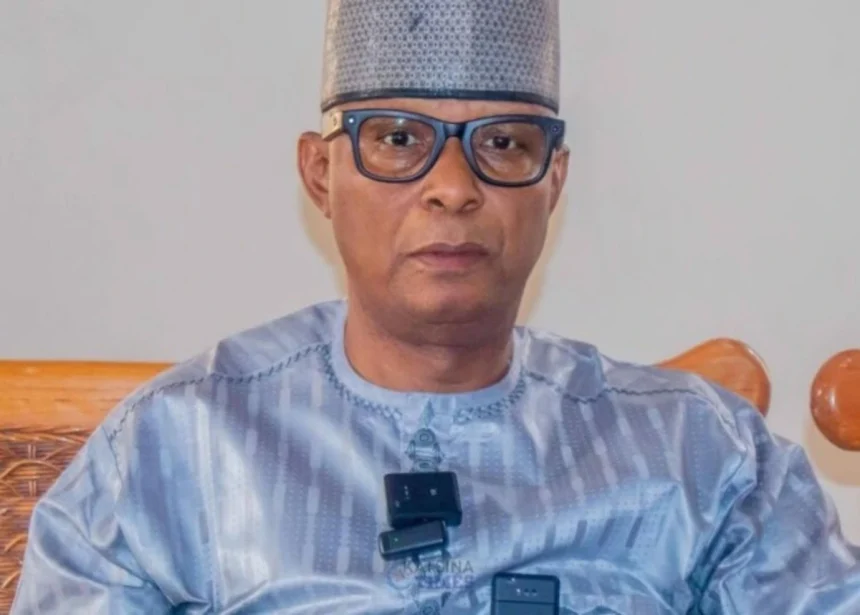
Housing Minister Muttaqha Rabe Darma said the project is intended to provide affordable accommodation for civil servants while recognising their contribution to national development.
The project forms part of wider federal efforts to increase housing supply and improve access to decent accommodation for workers.
Housing Programme Reaches 600 Units for Civil Servants
The new estate will complement 350 housing units already provided under the Federal Integrated Staff Housing Programme.
With the addition of the 250 Gwagwalada units, the number of homes provided to federal civil servants under the initiatives will rise to 600 units.
The development comes as the Federal Government continues to expand its broader housing programme across the country.
The Housing Ministry has previously outlined plans for Renewed Hope Estates consisting of 250 units in selected states, alongside larger Renewed Hope Cities in major urban centres.
Head of Service Calls for Transparency
Walson-Jack called on state governors to consider replicating the housing initiative across the country.
She also stressed the importance of quality construction, affordability, transparency, accessibility and timely completion in housing projects.
Those factors will be particularly important as the government attempts to move beyond housing announcements and deliver completed homes to beneficiaries.
Government Lines Up More Housing Projects
Darma disclosed that the Housing Ministry has several projects scheduled for delivery between August and December across Lagos, Abuja and other locations.
He said the planned projects form part of the government’s effort to shift from policy announcements towards completed housing developments that can improve living conditions.
The minister also directed contractors, consultants and other stakeholders involved in the Gwagwalada project to maintain high construction standards and ensure the buildings can withstand long-term use.
Gwagwalada’s Housing Development Comes With Land Issues
The project is being developed in Dukpa, an area that has previously been involved in federal land and housing initiatives.
The Federal Government had allocated residential and service plots in the area under the Dukpa Site and Services Scheme in 1992.
Those allocations were subsequently revoked after the land was required for the National Housing Programme, with the government citing overriding public purpose.
The ministry has announced a verification exercise for affected allottees ahead of possible relocation to another site within Gwagwalada. The exercise is scheduled to begin on September 7, 2026.
The Bigger Question Is Affordability
The construction of another 250 housing units is positive for Abuja’s housing supply, but the bigger issue is whether the homes will be affordable to the civil servants they are intended to serve.
Housing affordability remains a major challenge for Nigerian workers as rents, land prices and construction costs continue to rise.
A housing programme for civil servants therefore needs to consider not only the cost of constructing the units but also the financing structure, eligibility requirements, payment terms and eventual cost to beneficiaries.
If workers cannot realistically afford the completed homes, increasing the number of units will have limited impact on the affordability problem.
Quality and Delivery Will Matter
The government has also placed emphasis on timely completion and construction quality.
That is important given previous concerns around delays in federal housing projects.
In Katsina, for example, a recent physical inspection by the Housing Minister found that only about 130 of 250 units described in briefing documents as completed were actually ready, highlighting the importance of independent verification and project monitoring.
For the Gwagwalada project, successful delivery will therefore depend not simply on breaking ground, but on completing the homes to the required standard and making them accessible to eligible civil servants.
The 250-unit estate represents another addition to Abuja’s housing stock. Its real impact, however, will ultimately be measured by how many workers can afford to own or occupy the homes and how quickly they are delivered.