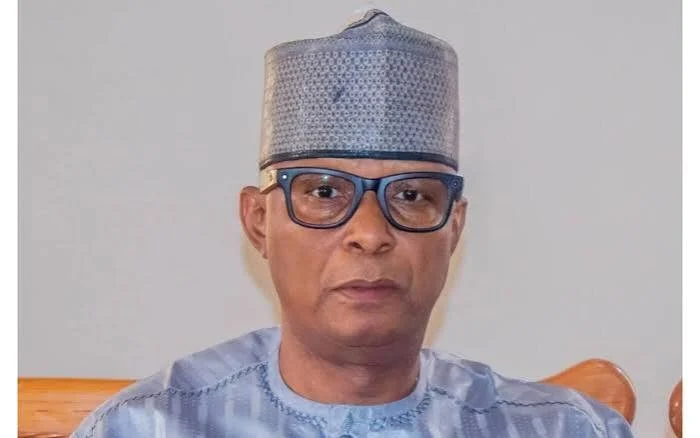
Nigeria’s housing and real estate sector contributed more than ₦77 trillion to the nation’s economy in 2025, underscoring its growing importance as one of the country’s largest economic drivers. The disclosure was made by the Minister of Housing and Urban Development, Muttaqha Rabe Darma, during a stakeholders’ validation workshop on the National Housing Data Programme and the National Housing and Built Environment Regulation Policy in Abuja.
The minister explained that following the rebasing of Nigeria’s Gross Domestic Product (GDP), the real estate services sector alone accounted for approximately ₦41 trillion, representing 13.4 per cent of GDP, while the combined contribution of real estate and construction exceeded ₦77 trillion in 2025. He noted that despite the sector’s significant economic value, persistent challenges such as weak regulation, inadequate mortgage financing, and unreliable housing data continue to limit its full potential.
Darma described the validation workshop as a critical stage in the development of two major policy documents that will be presented to the Federal Executive Council (FEC). He urged stakeholders to provide constructive input to strengthen the proposed National Housing and Built Environment Regulation Policy and the National Mortgage Industry Policy before their adoption.
According to the minister, the proposed regulatory framework will introduce licensing requirements for developers and estate agents, escrow protection for homebuyers’ funds, stronger professional standards, improved construction quality, enhanced land administration, urban renewal safeguards, and the establishment of a National Housing Industry Regulatory Commission to improve oversight across the housing sector.
He also announced that the proposed mortgage policy seeks to reform the Federal Mortgage Bank of Nigeria (FMBN), establish a National Housing Finance Authority, expand access to the National Housing Fund for workers in the informal sector, and create a stronger framework for diaspora housing investment. In addition, the ministry disclosed that Nigeria’s housing deficit has been estimated at about 15 million units using internationally recognised methodologies, including the World Bank Adequate Housing Index and the UN-Habitat Household Crowding Index.
Speaking at the event, Permanent Secretary Dr. Shuaib Belgore said fragmented housing data and weak regulatory enforcement have constrained effective planning, housing quality, and investor confidence. Meanwhile, the Managing Director of FMBN, Shehu Usman Osidi, announced that the bank has completed the development of a National Mortgage Registry, a digital platform designed to centralise mortgage transactions and improve transparency within Nigeria’s housing finance system.
Stakeholders believe that stronger regulation, credible housing data, improved mortgage access, and enhanced consumer protection will be essential to unlocking greater investment in the housing sector, reducing the housing deficit, and strengthening the industry’s contribution to Nigeria’s long-term economic growth.