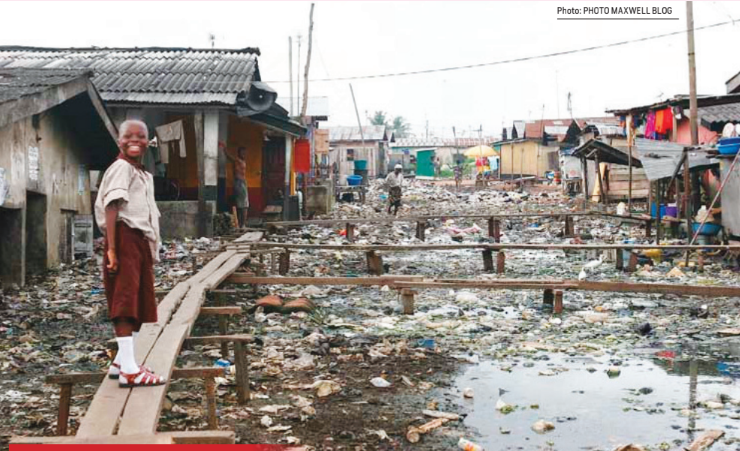
Report highlights housing insecurity, rapid urbanisation and economic pressures affecting communities across Africa.
Nigeria Faces Growing Homelessness Challenge
Nigeria has been identified as the African country with the highest estimated homeless population in a report attributed to the World Population Review.
The report, cited in the supplied material, estimates that approximately 4.5 million Nigerians experienced homelessness in 2025, followed by Uganda with four million and Sudan with three million.
However, the figures require careful interpretation. The current World Population Review homelessness page lists Nigeria’s estimated homeless population at 24.4 million, based on 2020 data, showing that estimates differ according to the source and reporting year.
Countries Listed in the Report
The supplied report lists the following estimated homeless populations:
| Country | Estimated Homeless Population |
| Nigeria | 4.5 million |
| Uganda | 4 million |
| Sudan | 3 million |
| Egypt | 2 million |
| DR Congo | 1.5 million |
| Somalia | 1.4 million |
| Zimbabwe | 1.2 million |
| Burkina Faso | 700,000 |
| Mozambique | 640,000 |
| Ethiopia | 600,000 |
The report links homelessness across African cities to rapid urbanisation, unaffordable housing, economic inequality, conflict, displacement and inadequate infrastructure.
Housing Insecurity in Nigerian Cities
In Lagos, communities such as Oshodi, Ajegunle, Ketu, Shomolu and Obalende reportedly include people living on streets, under bridges and in informal settlements.
Waterfront communities such as Makoko also face challenges involving secure land tenure, sanitation and access to basic services.
Similar housing pressures affect other Nigerian cities, including Abuja and Kano, where population growth and migration continue to increase demand for affordable accommodation.
Children Face Greater Risks
The report identifies children as particularly vulnerable to homelessness and housing insecurity.
It states that some children engage in hazardous street work or become exposed to exploitation and other risks because of inadequate shelter and family support.
Addressing homelessness requires coordinated policies involving affordable housing, social protection, urban planning, employment opportunities and child protection.