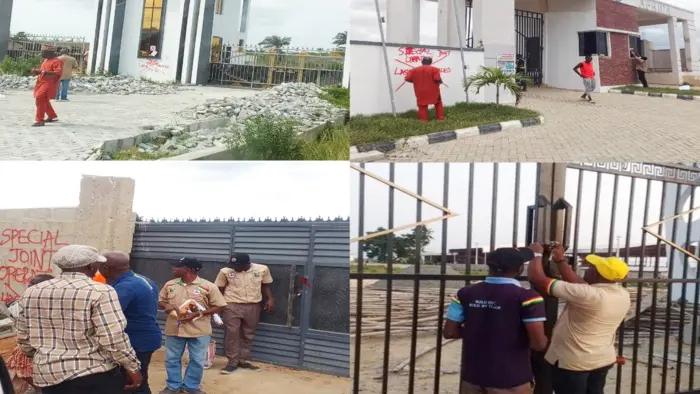
Urban planning experts have warned that increasing violations of planning permit regulations are undermining orderly physical development across Nigeria, contributing to building collapses, flooding, environmental degradation, and significant economic losses. They say the growing trend of commencing construction without obtaining statutory approvals is weakening the country’s urban planning framework and exposing communities to avoidable risks.
According to industry stakeholders, many developers and property owners continue to adopt a “build first, regularise later” approach, largely due to lengthy approval processes, bureaucratic bottlenecks, and the high cost of obtaining planning permits. Experts argue that while these challenges exist, bypassing planning regulations compromises public safety and sustainable urban growth.
Professionals in the built environment noted that planning approvals are essential because they ensure developments comply with approved land use, structural standards, environmental requirements, and safety regulations before construction begins. They stressed that proper supervision by planning authorities throughout the construction process significantly reduces the risk of structural failures and other hazards.
Recent enforcement actions by several state governments, particularly in Lagos, Ogun, Oyo, and the Federal Capital Territory, have targeted illegal developments through building seals, demolitions, permit regularisation programmes, and digital approval systems. Authorities believe these measures will improve compliance while promoting safer and more organised urban development.
Experts have also recommended the adoption of fully digital planning permit systems, transparent approval charges, public awareness campaigns, and stronger enforcement to encourage voluntary compliance. They believe technology-driven approval processes can reduce delays, minimise corruption, and make regulatory compliance more accessible for developers and homeowners.
Stakeholders maintain that strengthening planning permit compliance is critical to protecting lives and property, improving infrastructure delivery, and supporting sustainable housing and real estate development across Nigeria’s rapidly growing cities.