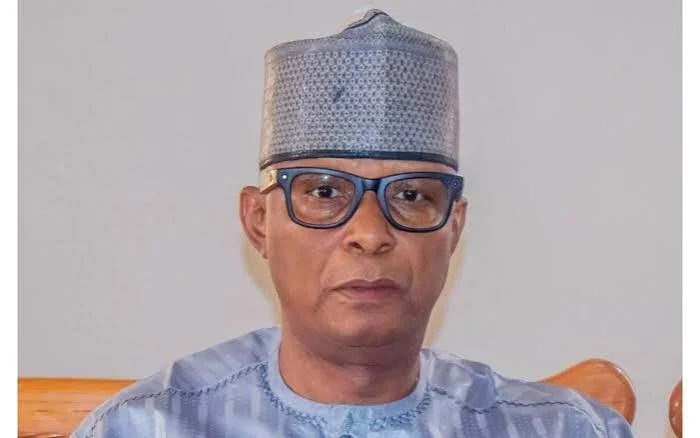
The Minister of Housing and Urban Development, Muttaqha Rabe Darma, has called for stronger regulatory frameworks to improve accountability, quality, and sustainability in Nigeria’s housing sector. He said effective regulation is essential to tackling the country’s housing deficit, promoting investor confidence, and ensuring that housing developments meet acceptable standards.
Speaking at a stakeholders’ engagement, Darma stressed that Nigeria’s rapidly expanding housing market requires modern policies and stronger enforcement mechanisms to protect homebuyers, encourage responsible real estate development, and improve access to affordable housing. He noted that a well-regulated sector would attract greater domestic and foreign investment while supporting long-term economic growth.
The minister explained that regulatory reforms should focus on improving compliance with building standards, strengthening quality assurance, enhancing transparency in land administration, and ensuring greater professionalism across the housing value chain. He added that collaboration between government agencies, developers, financial institutions, and professional bodies is critical to achieving sustainable housing development.
Darma also emphasised the need for improved urban planning, efficient project delivery, and wider adoption of innovative construction technologies that can reduce housing costs without compromising quality. According to him, strengthening institutional capacity and regulatory oversight will help address recurring challenges such as substandard construction, building failures, and delays in project execution.
Industry stakeholders welcomed the minister’s position, noting that a predictable regulatory environment would improve consumer protection, reduce investment risks, and encourage private sector participation in affordable housing projects. They argued that consistent enforcement of existing regulations, alongside policy reforms, is necessary to build a more resilient and transparent housing market.
Experts further observed that stronger governance, digital approval systems, and streamlined development processes could significantly improve housing delivery while supporting Nigeria’s broader urban development and infrastructure objectives.