FG Sets Six-Week Deadline for Actionable Housing Reform Blueprint
The Federal Government has given a 14-member ministerial committee six weeks to develop a practical implementation strategy for wide-ranging reforms in Nigeria’s housing and built-environment sector.
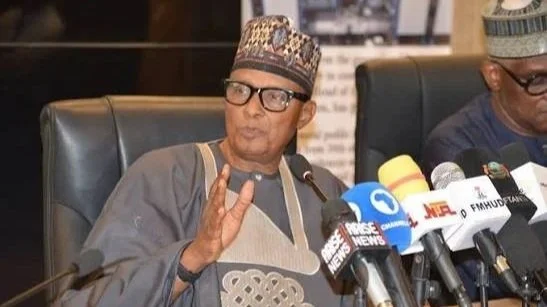
Minister of Housing and Urban Development, Engr. Muttaqa Rabe Darma, inaugurated the committee in Abuja and directed its members to convert recommendations from housing stakeholders into measurable actions.
The panel is officially known as the Ministerial Committee on the Implementation Framework for the Validated Stakeholder Resolutions on Housing Sector Reforms.
Its members were drawn from technical departments of the Ministry of Housing and Urban Development and relevant housing agencies.
The ministry’s Permanent Secretary, Dr Shuaib Belgore, was appointed chairman of the committee.
Under its terms of reference, the panel is expected to coordinate the implementation of approved reform measures and develop a detailed work plan identifying priorities, timelines, responsibilities and expected results.
The committee will also monitor progress and ensure that agencies or departments assigned specific responsibilities complete them within the approved timeframe.
Darma explained that the reform recommendations emerged from an earlier stakeholders’ validation conference, where participants examined housing data and proposed measures for repositioning the sector.
The recommendations have been divided into three categories: measures the ministry can implement immediately, proposals requiring approval from the Presidential Council and reforms that will require legislative action.
According to the minister, the government’s responsibility extends beyond the direct construction of houses. It must also create an enabling environment in which individuals, developers, investors and financial institutions can increase housing supply.
Darma identified stronger regulation as an important requirement for improving standards and unlocking the economic potential of Nigeria’s built environment.
He cited 2025 data indicating that the sector contributes approximately 17 per cent to the Nigerian economy, compared with between 22 and 27 per cent in countries such as South Africa and Kenya.
The minister expressed confidence that better policies, improved regulation and coordinated implementation could help the Nigerian housing sector increase its contribution to national economic growth.
He urged the committee to approach its assignment with urgency and produce a workable strategy within the six-week deadline.
Responding on behalf of the panel, Belgore said the committee had received a working document that would be reviewed to identify gaps and strengthen the proposed implementation framework.
He said the committee would focus on immediate interventions while preparing reforms requiring consideration by the Federal Executive Council or the National Assembly.
Belgore added that further consultations would be held with stakeholders to build broad support and ensure that the reforms reflected the needs of professionals, developers, financiers, artisans and other participants in the housing industry.
Standardising professional practices and improving coordination among engineers, architects, builders, artisans and other construction workers will also form part of the reform process.
Managing Director of the Federal Mortgage Bank of Nigeria, Shehu Usman Osidi, welcomed the initiative but warned that sustained stakeholder engagement would be critical to its success.
Osidi recalled that previous efforts to amend the National Housing Fund and FMBN Acts, as well as a proposed ₦500 billion recapitalisation of the mortgage bank, encountered stakeholder resistance.
He advised the committee to apply lessons from those experiences and ensure that affected groups were properly consulted before major changes were implemented.
The Federal Housing Authority also pledged its cooperation with the committee and expressed confidence that the reforms could improve housing delivery across the country.
While the inauguration represents another step towards reforming the sector, the initiative’s success will depend on whether the committee’s recommendations are implemented, funded and supported by the necessary executive and legislative approvals.