Housing Ministry Gives Reform Committee Six Weeks to Develop Action Plan
The Federal Government has inaugurated a 14-member ministerial committee to develop an implementation framework for reforms in Nigeria’s housing and built-environment sector.
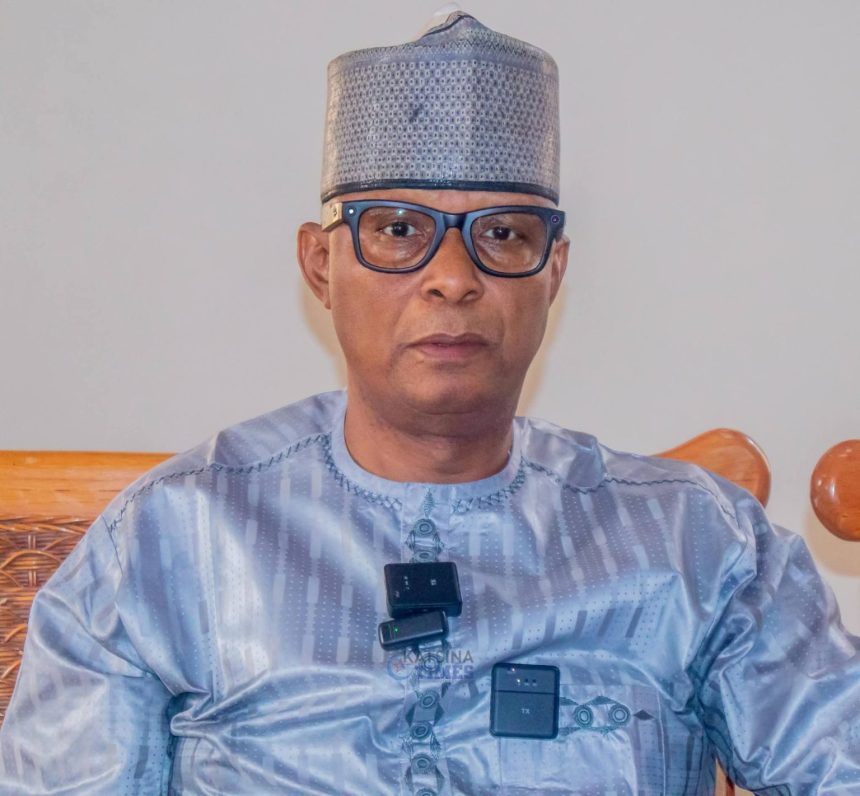
Minister of Housing and Urban Development, Dr Muttaqha Rabe Darma, inaugurated the committee in Abuja and directed its members to submit a practical implementation strategy within six weeks.
The committee is chaired by the ministry’s Permanent Secretary, Dr Shuaib Belgore. Its membership includes officials from relevant housing agencies and the ministry’s technical departments.
The committee was established following a stakeholder validation conference convened to examine national housing-deficit data and determine policy priorities for transforming the sector.
Its responsibilities include coordinating the implementation of the validated reforms and developing a detailed work plan containing priority actions, timelines and measurable deliverables.
Members are also expected to monitor progress and ensure that responsibilities assigned to the ministry, its agencies and other institutions are completed within the approved timelines.
Darma explained that the recommendations adopted at the stakeholder conference had been divided into three categories.
The first category covers reforms that the housing ministry can implement immediately through administrative action. The second consists of measures requiring consideration and approval by the Presidential Council, while the third covers proposals that require legislation.
The classification is expected to help the ministry determine the appropriate implementation route for each recommendation and reduce delays associated with institutional approvals.
According to the minister, the government’s responsibility is either to provide homes directly or establish an enabling environment in which Nigerians can build, rent or purchase suitable accommodation.
He also called for stronger regulation of the built environment to improve professional standards, protect consumers and increase the sector’s contribution to national development.
Citing 2025 data from the National Bureau of Statistics, Darma said housing and the broader built-environment sector contributed about 17 per cent to Nigeria’s economy.
He compared the figure with contributions ranging between 22 and 27 per cent in countries such as South Africa and Kenya, arguing that appropriate reforms could help Nigeria close the gap.
The minister said an efficient housing industry could contribute more substantially to economic growth through construction activity, job creation, local building-material production, mortgage expansion and real estate investment.
He urged the committee to treat its assignment with urgency and produce an implementation plan capable of translating stakeholder recommendations into measurable outcomes.
The development comes as the government faces growing calls to address high construction costs, difficult access to land, limited mortgage finance, weak regulation and the shortage of affordable homes.
The committee’s effectiveness will depend on whether its recommendations lead to clear policy decisions, enforceable standards and coordinated action among the ministry, housing agencies, financial institutions and private developers.
Its report is also expected to indicate which reforms can be implemented quickly and which will require executive or legislative intervention.