


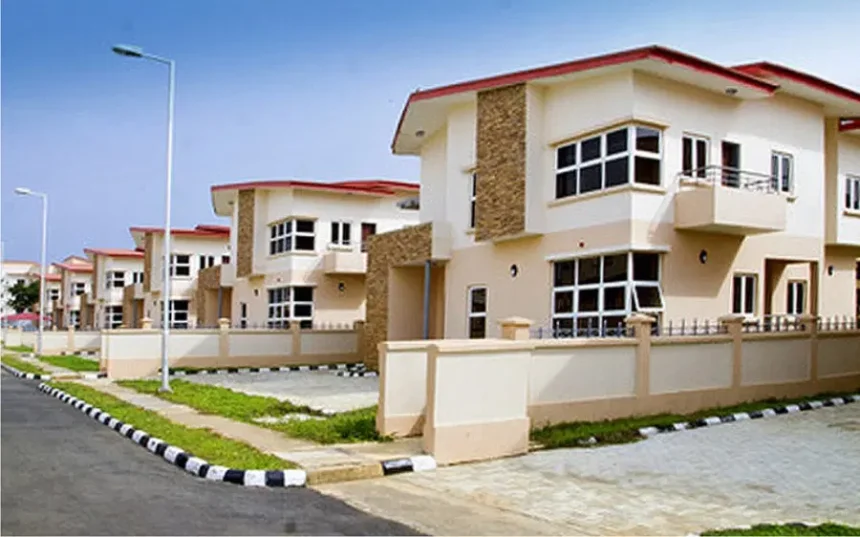
A former President of the Real Estate Developers Association of Nigeria (REDAN), Dr. Aliyu Wamakko, has urged the Federal Government to declare a state of emergency on rising building costs instead of focusing on rent regulation, arguing that the country’s housing affordability crisis is fundamentally driven by the high cost of housing production.
Speaking in Abuja, Wamakko said soaring prices of construction materials, land acquisition, labour, infrastructure, and financing have significantly increased the cost of developing residential properties, making it impossible for developers to offer affordable rental housing. He maintained that high rents are a consequence of expensive housing production rather than the primary cause of the housing crisis.
According to him, the prices of cement, steel reinforcement, roofing materials, electrical fittings, plumbing supplies, and other essential construction inputs have risen sharply in recent years, while labour and financing costs have also increased substantially. He noted that developers cannot recover their investments if rental prices are artificially suppressed without addressing these underlying production costs.
Wamakko called on the Federal Government to prioritise policies that reduce the cost of building materials, expand access to affordable long-term financing, strengthen local manufacturing, improve energy supply, lower transportation costs, and encourage large-scale housing development. He argued that such measures would increase housing supply and naturally reduce rental prices over time.
He warned that attempts to regulate rents without tackling the economic realities of housing development could discourage private investment in the real estate sector and worsen the country’s housing shortage. Instead, he advocated market-driven solutions supported by government policies that lower construction costs and stimulate investment in affordable housing.
Housing experts have consistently maintained that reducing construction costs, expanding mortgage financing, simplifying land administration, and increasing infrastructure investment are essential to improving housing affordability and addressing Nigeria’s estimated housing deficit. They believe that boosting housing supply remains the most sustainable strategy for easing pressure on rental prices while supporting long-term economic growth.
