


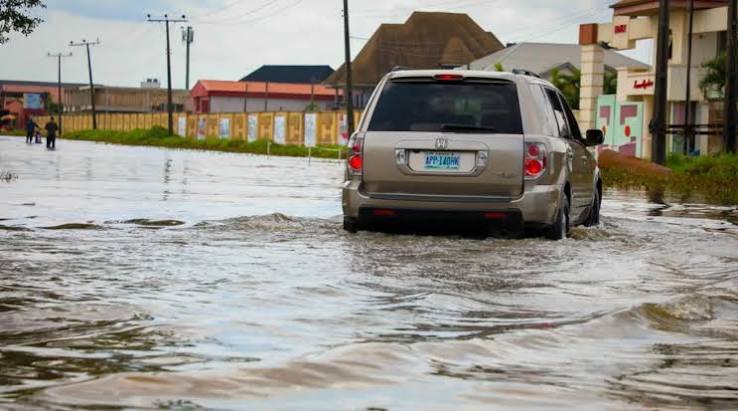
Persistent rainfall across Lagos has left residents grappling with flooded highways, severe traffic congestion, and rising transportation costs, forcing many commuters, traders, and business owners to adjust their daily routines to cope with the prolonged rainy season. The worsening conditions have highlighted the growing need for improved urban drainage systems and resilient transport infrastructure.
Many commuters now leave their homes before dawn to avoid hours of gridlock caused by flooded roads. Others rely on weather forecasts, navigation apps, raincoats, and waterproof gear to minimise disruptions to their daily activities. Residents also report that commercial transport fares often increase significantly whenever heavy rainfall occurs, placing additional financial pressure on households already struggling with the rising cost of living.
Motorists say prolonged traffic congestion during rainfall has increased fuel consumption and vehicle maintenance costs, while public transport users complain that transport fares frequently surge during periods of flooding. For many workers, the rainy season has become a daily challenge requiring careful planning and additional expenses to reach workplaces on time.
Traders across several markets in Lagos say the rainy season presents both opportunities and challenges. While sellers of umbrellas and raincoats have experienced higher demand, many market operators report reduced customer traffic, damaged goods, and lost income whenever heavy rainfall and flooding discourage shoppers from visiting markets.
The situation aligns with the Nigerian Meteorological Agency (NiMet)‘s 2026 Seasonal Climate Prediction, which forecasts a longer-than-normal rainy season for Lagos. Experts say the recurring floods underscore the need for improved drainage infrastructure, regular desilting of waterways, stricter enforcement of urban planning regulations, and greater investment in climate-resilient infrastructure to reduce the economic and environmental impact of flooding.
Urban planning experts note that addressing flooding in Lagos will require coordinated investments in stormwater management, road infrastructure, and sustainable city planning. They argue that strengthening drainage networks and preventing the obstruction of waterways will improve mobility, reduce transport costs, and enhance the city’s resilience to extreme weather events
